First student enrollment · January 2026
How Rural Japanese Women Created Beauty From Scraps For 400 Years - Learn 125 Traditional Patterns To Make Something Real In A World That Throws Everything Away
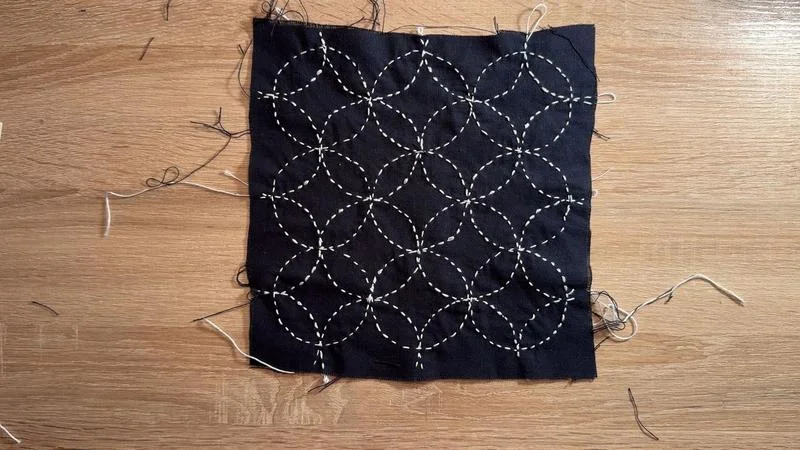
Everything today is designed to make us watch. To make us scroll. To make us consume.
At the end of the day, what do we have to show for it?
Imagine holding something beautiful that you made instead. Stitch by stitch. Something real.
Looks Hard. But Isn't.
Never held a needle? Sashiko uses ONE stitch. If you can push a needle through fabric, you can do this.
Not precise? Good. Slight irregularities are part of the charm. Perfect stitches actually look wrong.
Tried crafts before and quit? This is different. No complicated setup, no expensive equipment, no pressure.
Already sew? You will discover 100+ patterns and cultural meanings most Western teachers never cover.
2-3 hours to learn the basics. The rest is just relaxing practice.
A 400-Year-Old Craft Born From Necessity
In 17th century Japan, cotton was precious.
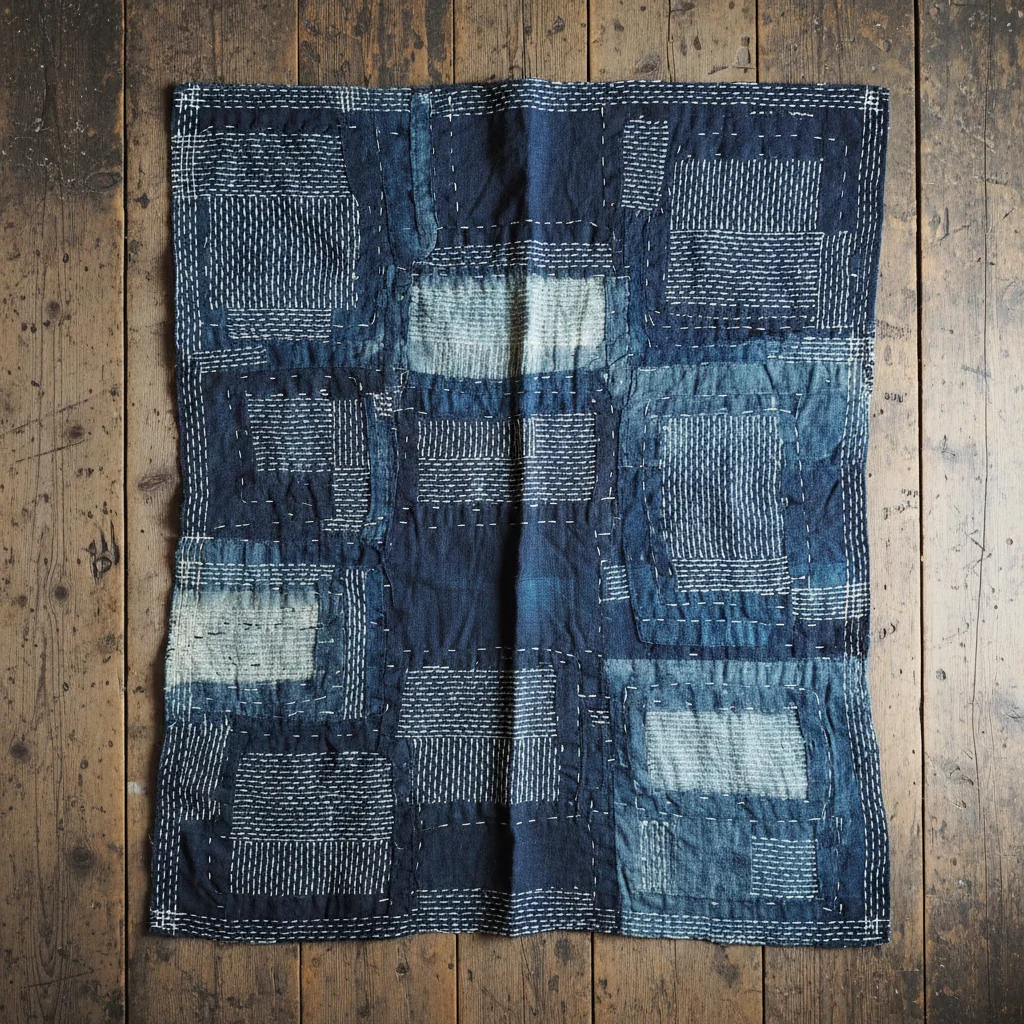
Poor farming and fishing families could not afford new cloth. So instead of throwing away worn garments, the women mended them.
They stitched.
Using simple running stitches and patches, they reinforced thin fabric. They turned necessity into art.
This practice aligned with the Japanese spirit of mottainai - "waste not, want not" - a deep respect for resources that defined rural life.
Warmth and Protection
By layering thin fabrics and stitching them together, sashiko created small air pockets that provided essential insulation during harsh northern Japanese winters.
This technique was used in everyday clothing - and notably, in the heavy coats of firefighters (hikeshibanten). When soaked with water, the layered stitching protected them from heat.
The Indigo and White You Know
During the Edo period, strict laws dictated what different classes could wear. Common people were restricted to certain materials - hemp and cotton - and colors.
Indigo dye was easy to grow. White thread was available. The iconic white-on-blue that defines sashiko today is a direct result of these restrictions.
From Function to Art
What started as survival became tradition. Mothers taught daughters. Grandmothers taught granddaughters.
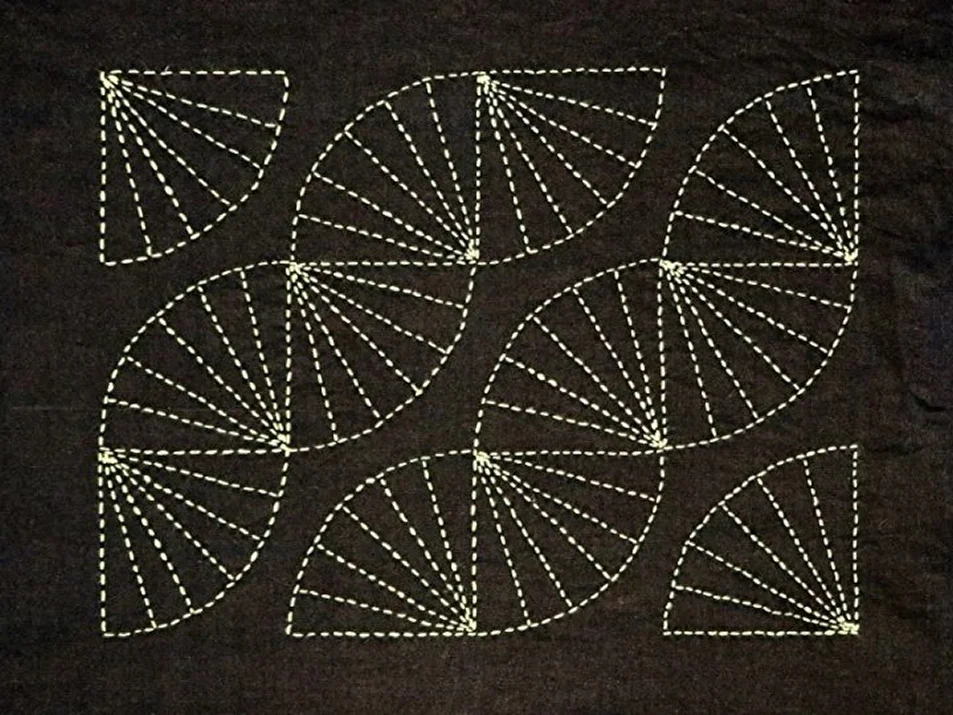
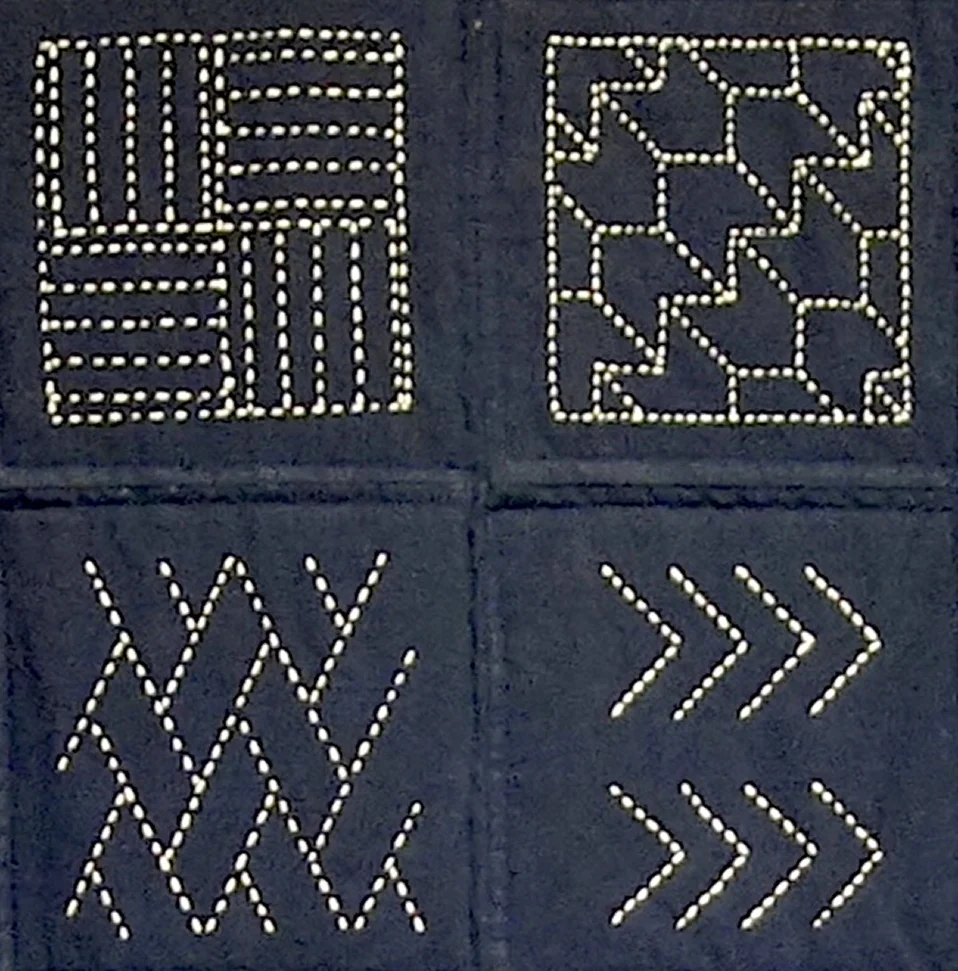
Over time, stitchers began adding their own artistic flair - developing intricate geometric patterns. The patterns got names. The names got meanings.
麻の葉
Asanoha (Hemp Leaf)
For strength and growth
野分
Nowaki (Autumn Grass)
For resilience against storms
青海波
Seigaiha (Blue Ocean Waves)
For calm and good fortune
For 400 years, these patterns have been stitched into fabric across Japan.
Now you can learn them too.
I spent months researching traditional sashiko - reading Japanese texts, studying historical garments, and collecting patterns that have been passed down for generations.
What I found was scattered across dozens of books and websites, much of it never translated into English. The cultural meanings behind the patterns were often skipped entirely.
This collection is everything I wish existed when I started: 125 patterns, all in one place, with the history and meaning that makes sashiko more than just stitching.
- Hikaru K.
Introducing
Sashiko Mastery
From First Stitch to Finished Piece With 125 Traditional Patterns (Even If You've Never Sewn Before)
Complete Video Course
~2 hoursWatch over my shoulder as I teach you everything from your first stitch to complex patterns
- · Beginner foundations - materials, setup, basic running stitch
- · Your first patterns - easy wins to build confidence
- · Intermediate patterns - level up your skills
- · Advanced techniques - complex geometric designs
- · Common mistakes - what to avoid and how to fix them
- · Subtitles in English, Spanish, Portuguese, German, Italian, French & Japanese
125 Pattern Library (PDF)
PrintableEvery traditional sashiko pattern you will ever need - print and stitch
- · 125 authentic patterns - from simple to complex
- · Full-size printable sheets - pin to fabric and stitch
- · Japanese names + meanings - the cultural context
- · Difficulty ratings - know what you are getting into
- · Stitch direction guides - no guesswork
What You Need To Start
The Essentials
- · Sashiko needle - longer than regular needles, $3-5
- · Sashiko thread - thicker cotton thread, $4-6 per skein
- · Fabric - any medium-weight cotton works
- · Transfer pen - erasable or water-soluble, $3-4
Total startup cost: under $20
Optional (But Nice)
- · Thimble - protects your finger on longer sessions
- · Indigo fabric - traditional look, not required
- · Embroidery hoop - some prefer it, many don't use one
The course includes specific product recommendations
This Is For You If
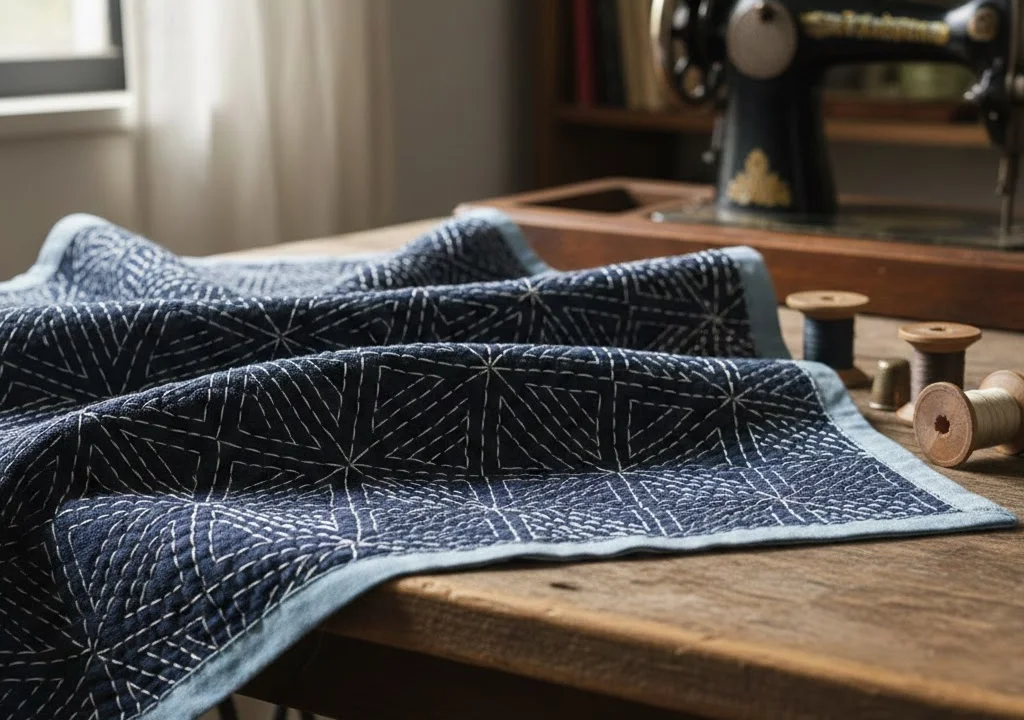
You want a creative practice that does not involve a screen
You love Japanese culture and want to learn an authentic craft
You have tried Sashiko before but only know a handful of patterns
You want something calming to do with your hands
You would rather make something meaningful than buy something forgettable
First Student Enrollment
✓ 2-hour video course
✓ Collection of 125 printable patterns & their history (PDF)
For the first 25 students, we set the price to just $47.
If you are reading this, spots are still available.
$97
$47
90-Day Money-Back Guarantee
Try the entire collection. Stitch as many patterns as you like. If you do not love it, email us for a full refund. No questions asked.
Secure checkout · Instant access · Stream on any device
Frequently Asked Questions
What is Sashiko?
Sashiko is a traditional Japanese stitching technique that is over 400 years old. It uses a simple running stitch to create beautiful geometric patterns. Originally used to strengthen and repair fabric, it is now practiced as a meditative craft around the world.
Do I need special materials?
You need a needle, thread, and fabric. That is it. Any embroidery needle works to start. The collection includes a materials guide with recommendations, but you do not need anything fancy.
I have never sewn before. Is this too advanced?
No. Sashiko uses one stitch: the running stitch. If you can push a needle through fabric, you can do this. The collection starts with beginner fundamentals before moving to patterns.
I have been sewing for years. Is this too basic?
The 125 patterns range from simple to complex. Even experienced stitchers discover patterns and cultural context they have never seen. If you only know 10-20 Sashiko designs, you will find over 100 new ones here.
Is this a physical course or online?
Online video course. You will get instant access to stream all lessons on any device. Watch at your own pace, rewind as needed.
Can I print the patterns?
Yes. Every pattern is designed to be printed at full size. Pin it to your fabric and stitch directly over the lines.
What if I do not like it?
Email us within 90 days for a full refund. No questions asked. You either love it or you pay nothing.
Do you have subtitles or captions?
Yes! The audio is in English, and we have subtitles available in English, Spanish, Portuguese, German, Italian, French and Japanese. You can toggle them on and off in the video player.
Have a specific question? Reach out at support@sashikomastery.com
125 Traditional Patterns. 400 Years of Japanese Wisdom. One Simple Stitch.
$97
$47
90-Day Guarantee · Instant Access · Secure Checkout